Not Just Tired: When Emotional Fatigue Is More Than Burnout
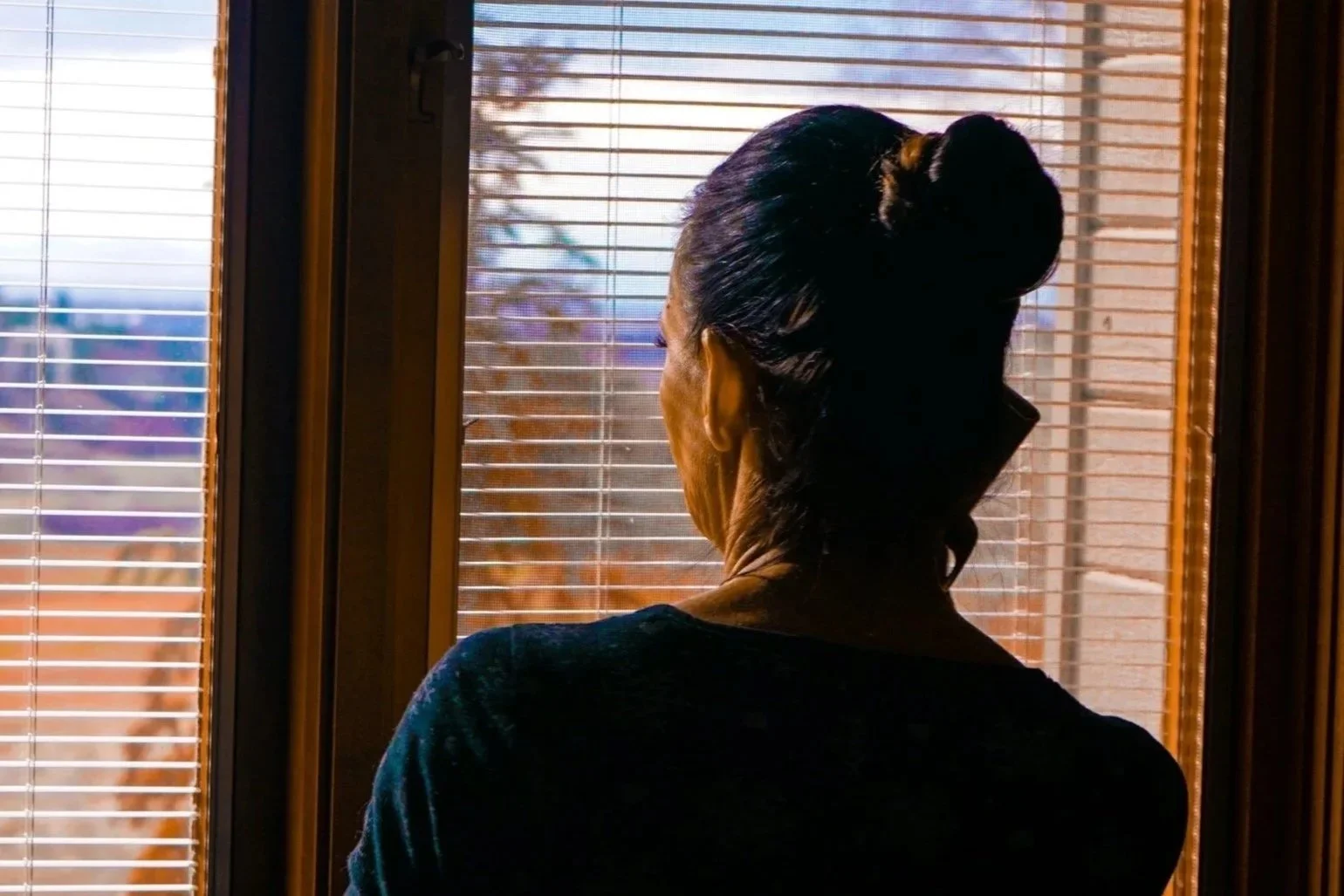
We all know what it feels like to be tired.
But there’s a different kind of exhaustion that sleep doesn’t fix. It lingers in your body, shortens your patience, dulls your motivation, and makes even simple decisions feel heavy.
You tell yourself, “I’m just tired.”
But deep down, you’re not sure that’s the whole story.
If you’ve been wondering, “Why am I tired all the time?” emotional fatigue may be part of the answer — and it often hides in plain sight.
What Is Emotional Fatigue?
Emotional fatigue happens when your inner resources have been stretched for too long.
It’s not just about being busy. It’s about being “on.”
Managing everyone’s needs. Holding things together. Thinking ahead. Absorbing stress. Pushing your own feelings aside so you can keep functioning.
Over time, that quiet emotional labor adds up.
You might notice:
Feeling numb or detached
Irritability that surprises you
Trouble focusing
Withdrawing from people you care about
Waking up tired even after sleeping
It can feel like your emotional battery is permanently stuck in low power mode.
And because you’re still functioning, it’s easy to miss.
When Emotional Fatigue Has Been “On” for Too Long
Emotional fatigue is a signal from your nervous system that something has been activated for too long.
You may not feel dramatic anxiety.
You may not identify with depression.
Instead, you feel flat. Edgy. Quietly overwhelmed.
Small inconveniences feel bigger than they should.
Your patience wears thin faster than it used to.
Motivation drops.
Left unaddressed, emotional fatigue can deepen into anxiety or even depression. But long before that, your body is already trying to get your attention.
Headaches. Muscle tension. Sleep changes. Digestive issues. A constant low hum of exhaustion.
This isn’t weakness.
It’s depletion.
Why Emotional Fatigue Often Goes Unnoticed
Emotional fatigue is subtle.
Especially if you’re the responsible one. The dependable one. The one people lean on.
When you’re used to carrying a lot, exhaustion becomes normal. You stop questioning it.
Our culture rewards pushing through. Being productive. Staying strong.
So you keep going.
Until everything feels like too much.
If you’ve been saying, “I don’t know why I’m this tired,” it may be because you’ve been carrying more than you realized.
How to Heal Emotional Fatigue
Healing from emotional fatigue doesn’t start with doing more.
It starts with slowing down enough to notice what you’ve been holding.
Naming the stress.
Acknowledging the resentment.
Admitting you’re stretched thin.
From there, small shifts matter:
Real rest (not just distraction)
Boundaries that protect your energy
Letting someone else carry something for once
Making space for your own emotions
You were never meant to hold everything alone.
And sometimes emotional fatigue isn’t solved by better habits — it’s resolved through deeper support. Working with a therapist who understands chronic emotional depletion can help you rebuild capacity in a sustainable way. You can learn more about support during life transitions and how therapy can help.
You're Not Just Tired
If you feel empty, overwhelmed, or disconnected, you’re not failing.
You’re likely overextended in ways that haven’t been fully seen — even by you.
Therapy offers a space to slow down, untangle what’s underneath the exhaustion, and restore your emotional capacity over time.
You don’t have to keep pushing through.
If this feels familiar, it may be time to stop carrying it alone.
If you’re ready to explore that, you’re welcome to reach out.
Written by Carminda Passino, LCSW
If my writing resonates with you, you’re welcome to stay in touch. I’m Carminda Passino, LCSW, and I share updates every so often—when something feels genuinely supportive or worth passing along.