
Why You Keep Repeating the Same Emotional Patterns — Even After Insight
You understand your patterns. You can even narrate them while they’re happening. So why do they come back the moment your life starts to change?

How Early Experiences Can Shape the Way You Carry Anxiety
Always a step ahead, making sure no one gets caught off guard? Sometimes the ways you learned to stay alert, anticipate other people's needs, or keep the peace can follow you into adulthood, even if your childhood was fine.

When Good Enough Never Feels Good Enough: Understanding Perfectionism
Perfectionism doesn’t always look like perfectionism. Sometimes it looks like competence, high standards, and simply caring about doing things right. But when “good enough” never feels good enough, it may be worth asking what those standards have been protecting you from.

Who Am I When I’m Not the Strong One?
You’ve spent years being the strong one — the person everyone counts on, the one who knows what to do. But what happens when that role starts to feel less like who you are and more like who you’ve learned to be?

The Strong One: What Holding It Together Costs You
You may be the woman everyone counts on — the capable one, the dependable one, the one who always seems to have it together. But when holding everything together starts leaving you exhausted, irritable, or disconnected from your own life, it may be worth looking at what that role is actually costing you.

Decision Fatigue: Why Even the Small Choices Start to Feel Like Too Much
By the end of the day, even simple choices can feel like too much. Decision fatigue isn’t just about being tired — it may be a sign that you’re carrying more than you realize.
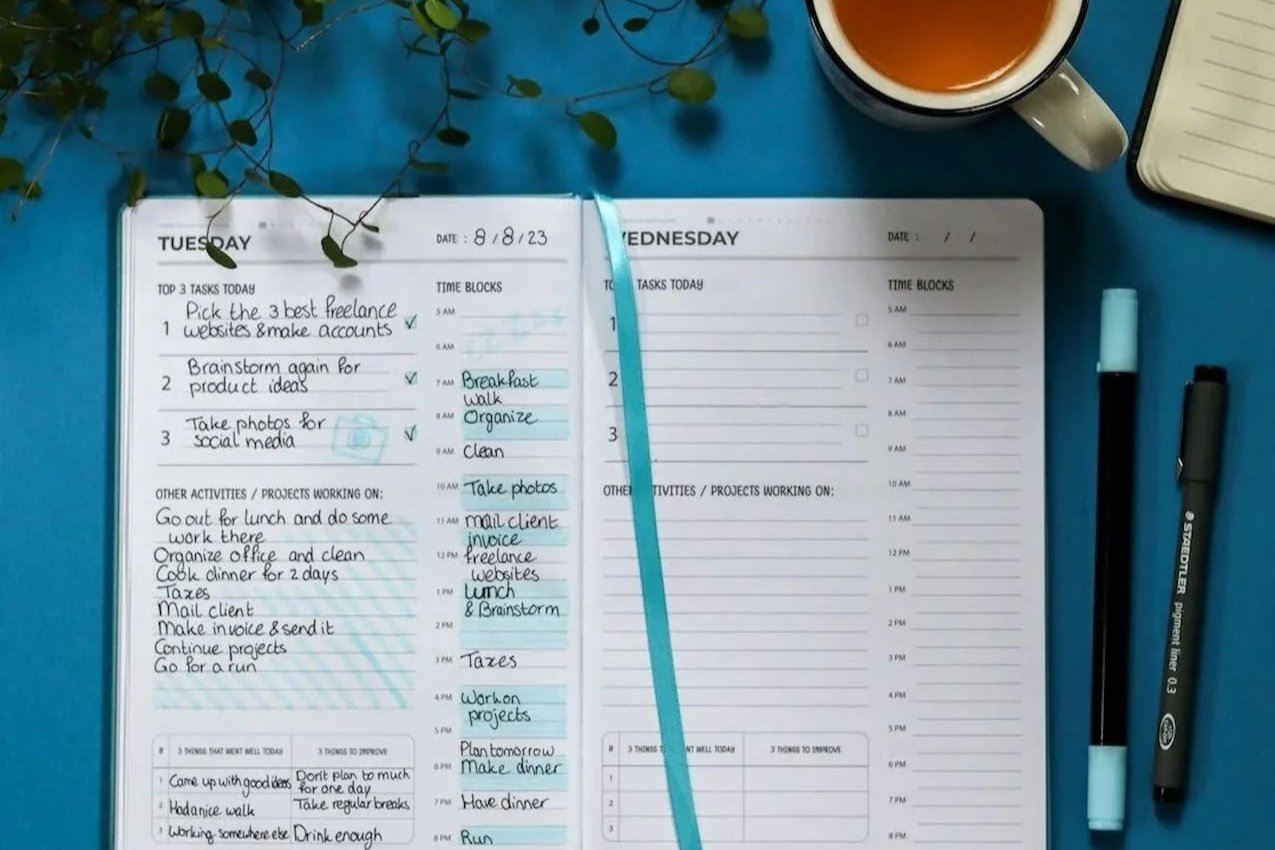
Planning Was Never the Hard Part
Some tasks aren’t just logistical—they carry old weight. A closer look at why the gap between knowing what to do and actually doing it isn’t about discipline.

You Know Exactly What to Do. So Why Can’t You Start?
You’ve reorganized the junk drawer, answered every non-priority email, and watched three how-to videos—anything but the thing with the deadline. It feels like progress. But planning and overthinking aren’t the same as moving forward, and the gap between knowing and doing is worth understanding.

When “I’m Fine” Becomes Your Default
"I'm fine" can become such a reflex that you stop noticing whether it's true. Here's what happens when pushing feelings aside quietly becomes your default — and what it costs over time.

What If You’re Not Burned Out—But Emotionally Numb?
You've become so good at holding everything together that you barely notice what it's costing you anymore. If something that used to wreck you now barely registers, that flatness might not be exhaustion — it might be something worth paying closer attention to.
The Hidden Cost of Being the One Everyone Relies On
You’re the one who remembers, notices, plans, and steps in before anyone asks. At first, it feels like being dependable. Over time, it can become a role that’s difficult to set down. This post explores what it quietly costs to always be the one everyone relies on.

When Carrying Everything Becomes How You Stay Safe
There’s a particular kind of tired that doesn’t go away with rest. Not because you’re doing too much—but because some part of you is always paying attention. Tracking what needs to be handled. Anticipating what might go wrong. Staying one step ahead. And beneath all of it, a question that rarely gets asked: What would actually happen if I stopped?

When Slowing Down Feels Like Falling Behind
A slow day can feel like more than an unfinished to-do list. When productivity becomes tied to self-worth, slowing down can trigger guilt, self-criticism, and the feeling that you’re falling behind—even when what you may actually need is rest.

When Safety Starts to Feel Like Stuck
Sometimes the strategies that once protected you quietly become the structure of your life. This post explores what it means when safety starts to feel like something else — and what that recognition might be asking of you.

When Stress Stops Feeling Like Stress
Chronic stress rarely feels like stress anymore. It feels like you. If you’ve been exhausted, reactive, or disconnected and can’t quite explain why, this is worth reading.

Healthy vs. Unhealthy Guilt: What’s the Difference?
You finally said no — so why do you feel like the bad guy? Learn the difference between healthy and unhealthy guilt, and why boundary guilt may have more to do with old patterns than your values.

How to Set Boundaries You Can Actually Stick To—Even When Guilt Tries to Talk You Out of It
Knowing you need boundaries and actually holding them are two very different things. If you keep caving—and then regretting it—this isn't a willpower problem. It's an older story than that.

The Pressure to Be Perfect: Why It’s So Hard to Let Go
You look like you have it together—but it doesn’t feel that way internally. Perfectionism in high-functioning women often shows up as constant pressure, overthinking, and a quiet disconnection from yourself.

High-Functioning Anxiety: Symptoms and How to Manage It
High-functioning anxiety often hides behind success. Learn the signs, why it’s hard to slow down, and how therapy can help you move through life with more calm and self-trust.

The Invisible Emotional Labor Women Carry (And Why It’s So Exhausting)
You’re not just tired—you may be carrying something invisible. This post explores emotional labor and why it can leave you feeling drained, even when nothing seems wrong.