When Stress Stops Feeling Like Stress
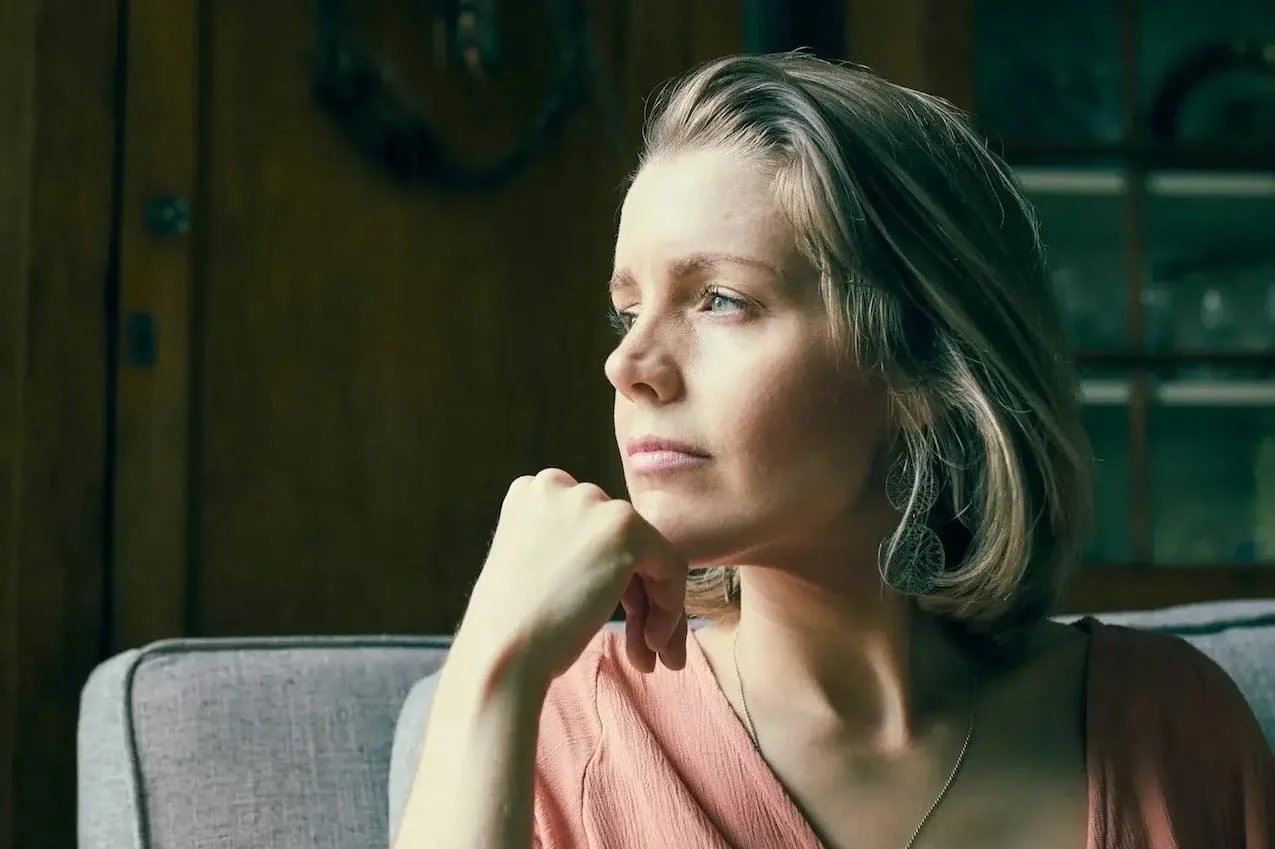
There's a version of stress most people recognize: the deadline, the hard conversation, the week that doesn't let up. That kind you can see coming. You brace for it, get through it, and eventually feel yourself exhale.
But there's another kind that doesn't announce itself.
It settles in gradually—so gradually that you stop noticing it's there. Your sleep becomes lighter. Your patience runs out faster. You move through the day doing everything that's asked of you and still feel behind. The things that used to feel manageable now feel like too much.
You wonder if you're becoming less capable. More sensitive. Less resilient than you used to be.
You're not.
What you may be living with is chronic stress—and it doesn't feel like stress anymore. It feels like you.
What Chronic Stress Really Is
Chronic stress happens when your nervous system remains in a prolonged state of alertness for weeks, months, or even years.
It often develops in response to pressures that don't seem to let up: demanding jobs, financial concerns, caregiving responsibilities, relationship strain, health challenges, unresolved trauma, perfectionism, or unrealistic expectations.
Unlike short-term stress, which rises and falls in response to a specific situation, chronic stress keeps your body operating as though there's always something else to prepare for, fix, manage, or survive.
Instead of returning to a balanced baseline, your system stays activated.
Which means even ordinary moments—a full inbox, a long to-do list, a request you don't have the bandwidth to handle—can feel like threats.
It's like an alarm that never fully turns off.
Why Chronic Stress Is So Hard to Recognize
One of the most difficult things about chronic stress is that it rarely feels dramatic.
There's no clear starting point. No obvious crisis.
Instead, it slowly becomes the backdrop of your life.
You adapt to being tired. You adjust to feeling overwhelmed. You stop questioning why you're constantly on edge because it begins to feel normal.
It shows up as exhaustion that doesn’t lift after a full night’s sleep. Irritability that arrives before you understand why. A mind that stays busy even when your body is still. And underneath it all, a growing sense of disconnection—from your relationships, from things that once mattered, sometimes even from yourself.
Many people assume these experiences mean they're failing somehow. That they're not managing their time well enough. Not organized enough. Not resilient enough.
But often, these aren't signs of personal failure.
They're signs of an overworked nervous system that has been carrying too much for too long.
What Helps When You're Living in Chronic Stress
Healing from chronic stress doesn't require a complete life overhaul.
In fact, the most effective changes are often the smallest ones.
Understanding chronic stress can only take you so far. The body also needs somewhere to land.
Notice the signals.
Stress often shows up in the body before we consciously recognize it. Pay attention to the tight chest, clenched jaw, racing thoughts, or constant sense of urgency. Awareness creates an opportunity to respond differently.
Create small moments of regulation.
A slower exhale. A brief walk outside. Relaxing your shoulders between tasks. Small actions can help signal safety to your nervous system and interrupt the cycle of stress.
Protect your time and energy.
Chronic stress thrives when every demand feels equally important. Boundaries help create the space your mind and body need to recover.
Prioritize real rest.
Scrolling your phone and true restoration aren't always the same thing. Time in nature, quiet moments, gentle movement, reading, or simply slowing down can help your nervous system remember what safety feels like.
Moving Forward
Chronic stress rarely announces itself clearly. More often, it hides behind the story that this is just how life is—that exhaustion is normal, that overwhelm is expected, that you simply need to manage better.
But when stress stops being situational and starts shaping how you see yourself, therapy can offer something more than coping strategies. It can help you understand what's sustaining this pattern—and what becomes possible when you're no longer running on empty.
If this resonates, a consultation is a place to start that conversation.
Written by Carminda Passino, LCSW
If my writing resonates with you, you’re welcome to stay in touch. I’m Carminda Passino, LCSW, and I share updates every so often—when something feels genuinely supportive or worth passing along.